


-

Add: HeBei ShengShi HongBang Cellulose Technology CO.,LTD.
-

Email
13180486930@163.com -

CONTACT US
+86 13180486930
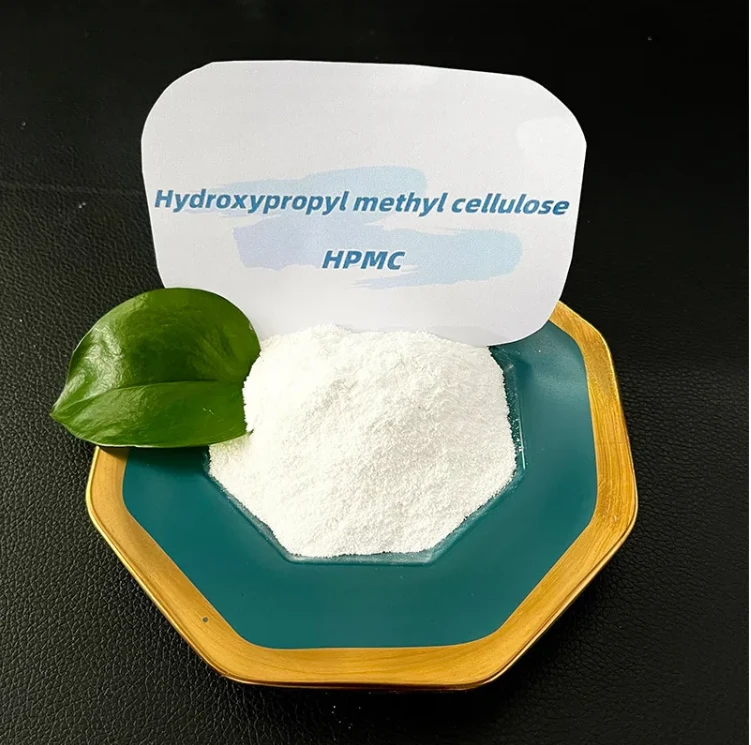


Hydroxypropyl Methylcellulose (HPMC) has emerged as a versatile and essential ingredient in the food industry, transforming the way food products are developed and enhancing their quality. Employed namely for its exceptional emulsifying, thickening, and gelling abilities, HPMC continues to gain recognition among food scientists and manufacturers for its innovative applications. With its origin traced back to cellulose, HPMC is produced through the chemical modification of this natural component, ensuring it remains non-toxic and safe for consumption. This synthetic polymer exhibits a high-water retention quality and forms a gel when dissolved in cold water, which makes it optimal for a multitude of food applications. In bakery products, HPMC assumes a critical role in improving dough properties, retaining moisture during baking, and extending the shelf life of finished products. Its ability to reduce the retrogradation of starch ensures that baked goods maintain freshness longer than they typically might, which is highly beneficial for both bakeries and consumers. The addition of HPMC in gluten-free recipes is a game-changer, as it compensates for the loss of gluten, providing structure and elasticity to dough, thus enhancing the texture and appeal of gluten-free bread and pastries. Furthermore, HPMC’s role in creating emulsions makes it indispensable in the production of sauces, dressings, and gravies. Its stabilizing properties prevent the separation of oil and water, ensuring a consistent texture and appearance. Food scientists have noted its effectiveness in low-fat and low-calorie products, where fat content reduction is desired. Here, HPMC enhances mouthfeel and mimics the creaminess of full-fat counterparts without compromising taste or satisfaction, aligning perfectly with the growing demand for healthier food options. In the dairy industry, HPMC is utilized to improve viscosity and stabilize dairy products such as yogurt and ice cream. It helps in maintaining the form and consistency, particularly in reduced-fat versions, by preventing ice crystal formation which can detract from the smoothness typically desired in ice cream. By promoting even distribution of particles and maintaining the suspension of other ingredients, HPMC ensures consistency throughout the product's shelf life. hpmc in food Snack foods benefit from HPMC's film-forming properties, which are leveraged to create barriers that prevent moisture gain and oil migration, preserving crunchiness and flavor. This attribute is particularly advantageous in products such as fried snacks and cereals, where a prolonged crispiness is a key quality attribute sought by consumers. The burgeoning plant-based food sector has also recognized the utility of HPMC. As an emulsifier, binder, and stabilizer, HPMC enhances the coherency and mouthfeel of plant-based meat and dairy alternatives. It helps mimic the juicy texture and structure of animal-derived products, often missing in plant-based options, thereby raising their appeal to a broader audience. However, the incorporation of HPMC into food products is not merely functional; it's also regulated by stringent safety standards. The Food and Drug Administration (FDA) along with the European Food Safety Authority (EFSA) have approved HPMC as a safe food additive, which reassures both manufacturers and consumers regarding its use. Innovation and sustainability also find their intersection with HPMC, as its cellulose base derives from plant fibers, positioning it as an environmentally friendly option in food production. This sustainability angle aligns with global movements towards reducing environmental impact, elevating HPMC's status not just as a synthetic enhancer but as a responsible choice within product formulations. As food technology advances, the importance of HPMC in food products only becomes more pronounced . Its adaptability and multifaceted benefits make it a cornerstone in developing not only tasty but also stable and healthy food options. For food manufacturers aiming to stay ahead in the competitive market, understanding and utilizing HPMC’s full potential is indispensable.
- 40000tons

Production
- 20+years

Experience
- 5000+㎡

Acreage

-
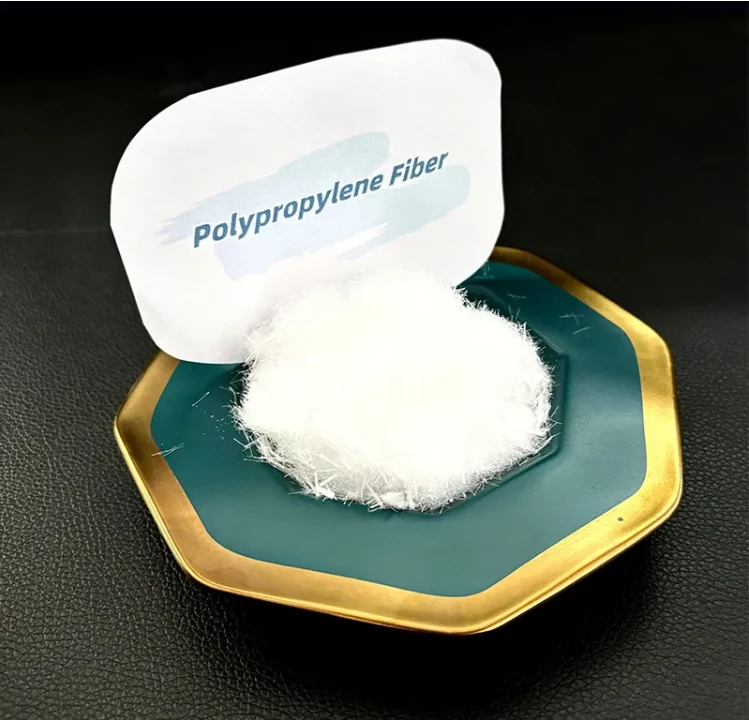
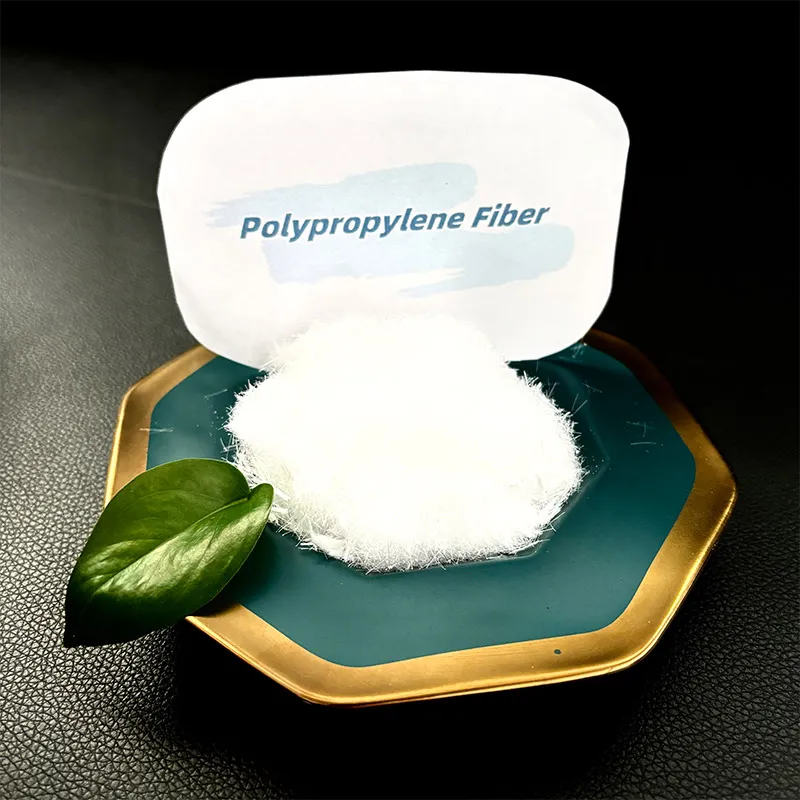
The Versatility of Fiber An Insight into Polyester and Polypropylene In today's world, the significance of synthetic fibers in various industries cannot be overstated. Among these, polyester and polypropylene are two of the most widely used materials, each with unique properties that cater to a plethora of applications. Understanding these fibers is essential, whether you are a consumer, a manufacturer, or someone interested in sustainable practices. Understanding Polyester Fiber Polyester, particularly polyethylene terephthalate (PET), is one of the most common synthetic fibers used in textiles. It was first introduced in the 1940s and has since revolutionized the textile industry due to its diverse functionalities. One of the key properties of polyester is its durability. Fabrics made from polyester are resistant to shrinking, stretching, and abrasion. This makes them ideal for clothing, upholstery, and various industrial applications. The Versatility of Fiber An Insight into Polyester and Polypropylene However, it is essential to consider the environmental impact of polyester production. Traditionally, polyester is derived from non-renewable fossil fuels, contributing to a significant carbon footprint. This has led to innovation in producing recycled polyester, which utilizes post-consumer plastic bottles and reduces waste in landfills. Brands are increasingly adopting eco-friendly practices, catering to the growing consumer demand for sustainable products. fiber ya saruji ya polypropen Exploring Polypropylene Fiber Polypropylene, on the other hand, is a thermoplastic polymer that has gained attention for its lightweight and high chemical resistance properties. First developed in the 1950s, polypropylene has carved a niche for itself, especially in packaging, automotive components, and medical supplies. It is also becoming popular in the textile industry, particularly for non-woven fabrics. One of the standout features of polypropylene is its hydrophobic nature, which means it repels water. This property makes it an excellent choice for outdoor fabrics, geotextiles, and other applications where moisture resistance is crucial. In addition, polypropylene fibers are known for their high tensile strength, making them suitable for products that require durability without added weight. In terms of environmental implications, polypropylene is also produced from fossil fuels, but like polyester, efforts are being made to enhance its sustainability. Biodegradable options and recycling initiatives are making their way into the market, giving consumers a chance to choose products that align with their values. Conclusion Polyester and polypropylene fibers play integral roles in our daily lives, from the clothes we wear to the products we use. While both materials have their downsides—primarily concerning their environmental impact—they also offer remarkable durability, versatility, and functionality. The textile industry is gradually shifting towards more sustainable practices, focusing on both recycling and developing biodegradable options. As awareness of environmental issues continues to rise, consumers will increasingly seek out innovative solutions that reduce our collective footprint while maintaining the benefits of synthetic fibers. The future of polyester and polypropylene fibers lies not just in the strength and durability of the material but also in the commitment to sustainability and responsible manufacturing practices.
-
Hydroxypropyl methylcellulose (HPMC) is increasingly being recognized for its diverse applications in skincare products . As a cellulose-derived polymer, HPMC brings multiple benefits due to its unique properties, which are gaining attention both in scientific research and industry innovation. One of HPMC's most notable features is its moisture retention capabilities. In an era where consumers are seeking products that can hydrate and nourish the skin without harmful side effects, HPMC stands out as a safe and effective choice. Its ability to retain water makes it an ideal ingredient for moisturizers and creams designed to combat dryness and enhance skin elasticity. Users consistently report a noticeable improvement in skin suppleness after incorporating HPMC-infused products into their skincare routine. In addition to moisture retention, HPMC acts as a thickening agent. This property is invaluable for product formulation, allowing manufacturers to create skincare products that provide a pleasant texture and user experience. By enhancing the viscosity of creams and lotions, HPMC ensures even spreading and absorption, which enhances the effectiveness of active ingredients. Dermatologists often recommend products with this polymer for individuals with sensitive skin, as it reduces potential irritation often caused by other thickening agents. Another significant advantage of HPMC is its function as a stabilizer. In the cosmetic industry, maintaining the integrity of a formula over time is crucial. HPMC helps maintain the uniform distribution of particles in emulsions, preventing separation. This results in a consistent application experience and reliable product performance, which builds consumer trust and satisfaction. Products featuring HPMC are less likely to experience issues such as ingredient separation, which can compromise both the efficacy and safety of the product. HPMC also exhibits excellent film-forming properties, essential for certain skincare formulations such as masks or serums. By forming a thin, cohesive layer on the skin, HPMC can help lock in moisture and active ingredients, enhancing their delivery and increasing the time they remain effective on the skin. This characteristic not only boosts product efficacy but also can give users a tangible sense of protection and care, which is increasingly sought after in luxury skincare products. hydroxypropyl methylcellulose skin Furthermore, HPMC is appreciated for its hypoallergenic nature. As consumers become more mindful of ingredients applied to their skin, demand rises for hypoallergenic and non-comedogenic products. HPMC's gentle nature makes it suitable for individuals prone to allergies or adverse reactions. Its integration into skincare solutions addresses a crucial market need for safe yet effective beauty solutions, heightening its appeal across various demographics. Beyond individual product use, the inclusion of HPMC in formulations is supported by extensive scientific research. Studies have shown its non-toxic nature and compatibility with a wide range of other ingredients. The polymer's versatile nature allows it to be combined with vitamins, antioxidants, and botanical extracts, thereby enabling the development of multifunctional skincare products. Laboratories and product developers are continually exploring new combinations that capitalize on HPMC's compatibility and stability. In a world where consumers are empowered with information, transparency and credibility are non-negotiable. Hydroxypropyl methylcellulose stands as a testament to scientifically-backed innovation in skincare, drawing the attention of dermatologists, product developers, and informed consumers alike. Its multifaceted benefits, supported by concrete research and consumer testimonials, make it an indispensable choice in the formulation of next-generation skincare products. As awareness of environmentally-friendly and sustainable beauty products grows, the renewable nature of HPMC further solidifies its appeal. Derived from cellulose, a natural compound, HPMC aligns with the sustainable ethos valued by modern consumers. This environmental consideration, alongside skin health benefits, makes HPMC an attractive ingredient for forward-thinking brands aiming to lead in responsible beauty care. As the quest for effective, safe, and innovative skincare solutions continues, hydroxypropyl methylcellulose is poised to be at the forefront, providing tangible benefits while respecting the values of a discerning consumer base.
advantages
-

200000 Viscosities
Excellent product
We can produce pure products up to 200,000 viscosities
-

40000 tons
High yield
We don’t stop production all year round, and the annual output can reach 40,000 tons
-

24 hours
Quality service
We provide 24-hours online reception service, welcome to consult at any time
———— Inquiry Form
Schedule A services
-
 caracteristiques_des_fibres_de_polypropylene
Oct . 25, 2025
Hebei ShengShi HongBang Cellulose Technology Co., Ltd., located in the Xinji Provincial Clean Chemic -
 hpmc_uses_in_detergent
Oct . 25, 2025
Understanding Gypsum-Based Chemical Additives Applications and Benefits Gypsum, a naturally occurrin -
 poda_inayoweza_kutawanywa_tena
Oct . 25, 2025
Starch ether has rapidly become a vital additive in dry mortar technologies, especially for tile adh


